Our Annual Report: 2025




We focus this funding so that it will have the biggest possible impact on people’s lives, giving hope to those living with overlooked and underfunded health conditions. We continue to be guided by our four priority areas and three research themes:


Children and young people's health

We continue to prioritise the health of children and young people in our research funding, so that they can lead healthier, happier lives. Our funding focused on previously neglected areas, as well as on conditions where children are disproportionately affected.
Neglected areas of mental health

Various mental health conditions are increasing in prevalence and severity, but they remain poorly understood. There is a pressing need for research funding in the UK to meet the scale and impact of mental illness within the population.
The health impacts of climate change

Climate change is a severe and continually growing threat to global human health. We are already witnessing various health impacts of climate change and there is an urgent need for greater research investment.
Emerging health threats and research opportunities

Our experience of COVID-19 shows how suddenly new health challenges can appear, and how we rely on medical research to protect lives. Along with threats come opportunities – for example in new diagnostics or treatments. We will invest in opportunities to create impact.
High need, low research investment

Support for research on the conditions and diseases that devastate lives, where there is unmet need for new research but a low research investment.
Emerging research leaders

Opportunities for the emerging research leaders who will address the biomedical research questions of the future and support for their cutting-edge research today.
Changing policy and practice

Support to disseminate research results beyond the scientific press to people and places that will influence healthcare policy and practice as well as personal life choices.

The science is clear; climate change is a real and rapidly growing threat to all of us. This is why we are prioritising research in this area: to understand how these changes are affecting human health, and how we can protect the people who are already living with these impacts.


Two of our funded Impact of Climate Change on Health researchers, Dr Bernard Steve Soh Baleba (left) and Dr Seniyat Afegbua (right) at our Equitable Partnerships Training in Botswana.
Two of our funded Impact of Climate Change on Health researchers, Dr Bernard Steve Soh Baleba (left) and Dr Seniyat Afegbua (right) at our Equitable Partnerships Training in Botswana.
We’ve already invested significantly into partnerships between researchers in the UK and sub-Saharan Africa to address the impacts of climate change on health, and this year, we have invested a further £2 million, prioritising projects that will have a real, tangible impact on people’s lives.
Globally, at least 450 million children have a sight condition requiring treatment, with 90 million experiencing some form of sight loss. Despite this, only 1.1% of UK medical research funding is dedicated to eye health. This is why we are prioritising research in this area.
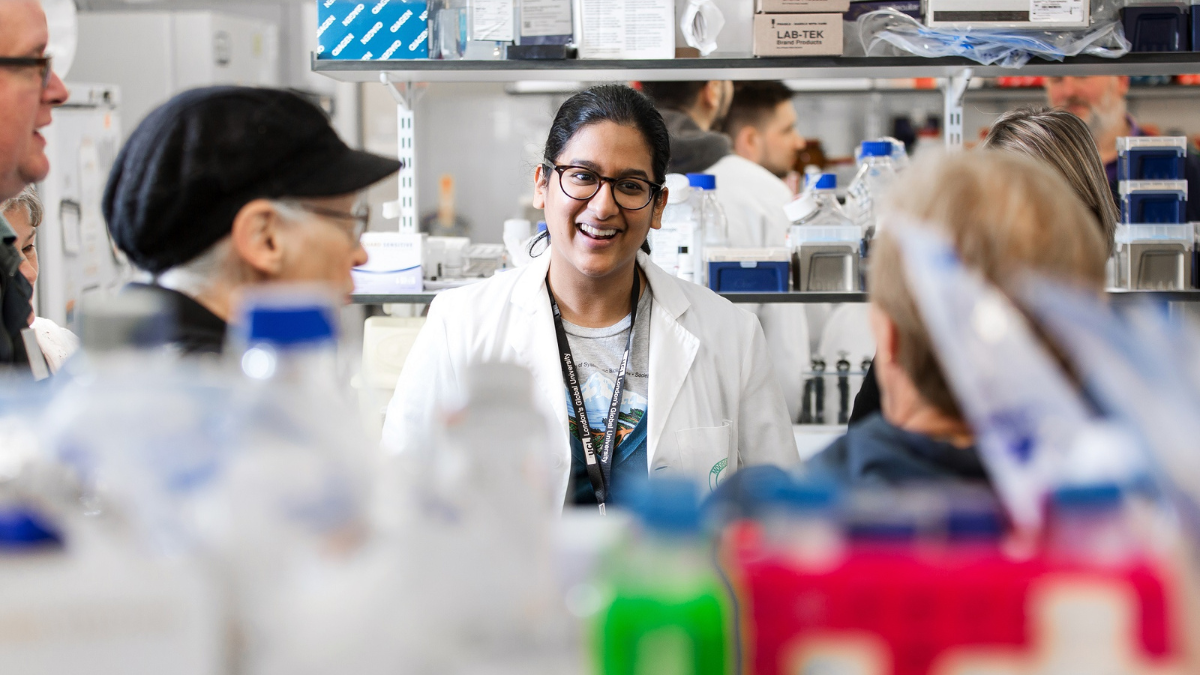
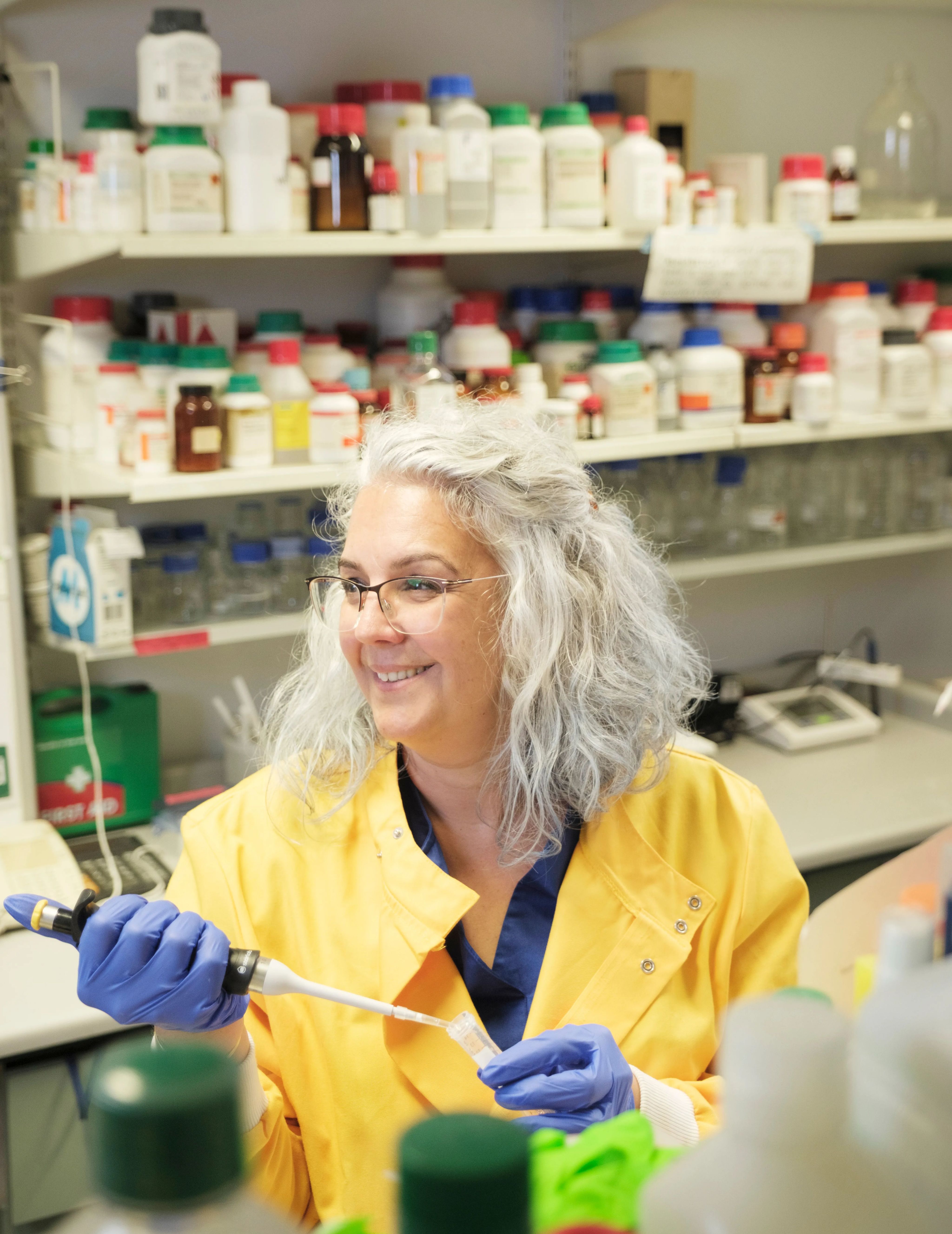
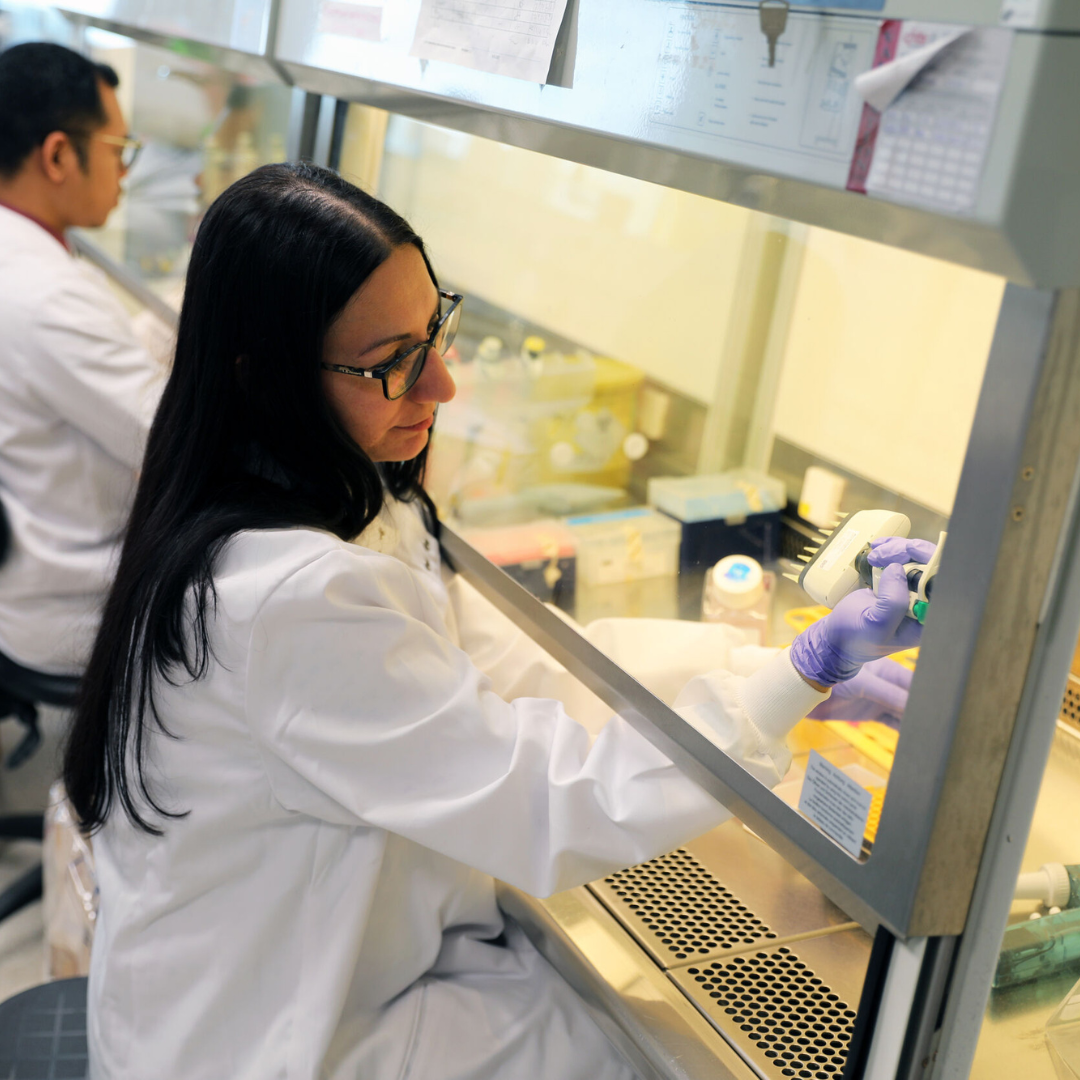
A medical researcher shown in the lab with a Moorfields lab coat on.
A medical researcher shown in the lab with a Moorfields lab coat on.
This year, we partnered with Moorfields Eye Charity to increase understanding of the mechanisms underpinning childhood eye health and disease. With a combined investment of £3.1 million (£1.6 million from the Foundation) across 11 projects, this funding initiative has the potential to help save the sight of millions of children around the world.
Cardiovascular and respiratory diseases are leading causes of death, both in the UK and globally. Although large-scale investments have been made in heart and lung research, there are still some critical areas of unmet need.
There is now also the potential to use artificial intelligence (AI) to process the enormous amount of healthcare data that has been collected on heart and lung patients. AI methods could revolutionise diagnostic processes, helping to analyse complex images and detect key clinical features much more efficiently and accurately. Findings can be applied to improve the way we diagnose and treat various heart and lung conditions - giving hope to those that live with them and their loved ones. This is an incredible research opportunity and that is why we are investing in this area.

A clinician discuss a diagnosis with someone. AI has the potential for significant impact on the accuracy and efficiency of diagnostic processes.
A clinician discuss a diagnosis with someone. AI has the potential for significant impact on the accuracy and efficiency of diagnostic processes.
This year, we awarded four fellowships to mid-career researchers, investing a total of £1.2 million, to enhance the integration of AI into healthcare diagnostics.
Mental health disorders account for 21% of the UK disease burden, yet in recent years, only 6% of the UK’s health research budget was spent on mental health. Various mental health conditions are increasing in prevalence and severity, but they remain poorly understood. From rising rates of suicide among young men, to lack of appropriate support for the children and young people who need it, there is a pressing need for research funding in the UK to meet the scale and impact of mental illness within the population. This is why we have funded in this area.

Dr Lucy Stirland (right) and Mary Nisbett (left), who has contributed to Lucy's research on aging and mental health in a previous round of Foundation funding.
Dr Lucy Stirland (right) and Mary Nisbett (left), who has contributed to Lucy's research on aging and mental health in a previous round of Foundation funding.
With our new Launchpad Grants in Mental Health, we are specifically supporting research that aims to advance knowledge on how mental health problems emerge, to improve diagnosis, treatment, and recovery. These grants aim to help researchers develop their ideas, build their networks and profile, acting as a springboard so they can secure larger funding in the future.
This year, we invested a total of £760,000 across eight different research projects in this area.
Eating disorders are devastating mental illnesses. Anorexia has the highest death rate of any psychiatric disorder, and other eating disorders such as bulimia can lead to severe medical complications. We are committed to doing everything we can to ensure that people affected can access the support they need.
Eating disorders affect over 1.2 million people in the UK. The National Institute for Health and Care Excellence estimates that hospital admissions for eating disorders in England increased by a staggering 84% between 2015 and 2021. To address this worrying rise, there is an urgent need for more research to identify risk factors, common characteristics, and potential early interventions for these disorders. This is why we choose to support research in this area.

Dr Dawn Branley-Bell, one of our previously funded researchers looking at eating disorders, is exploring what we can learn about the causes, prevention and future treatment of eating disorders following the rapid transition to remote care during the COVID-19 pandemic.
Dr Dawn Branley-Bell, one of our previously funded researchers looking at eating disorders, is exploring what we can learn about the causes, prevention and future treatment of eating disorders following the rapid transition to remote care during the COVID-19 pandemic.
This year, we’ve invested just under £750,000 into eight new projects in this field.
Some of the research areas we fund are specified by individual donors. We are inspired by the responsibility that these donations give us and strive to meet the priorities.
In these cases, we rely on independent experts to advise us on the most urgent questions that need to be addressed and the most effective way to do so within each area.
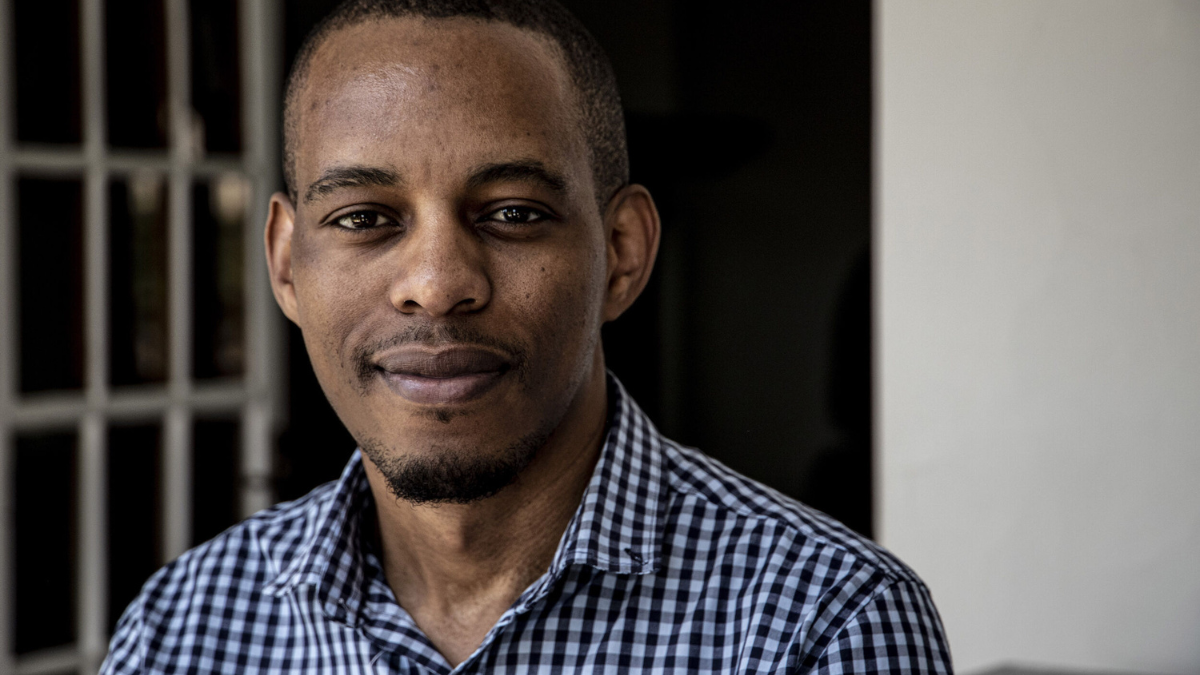
Dr Raylton Chikwati's research visit to the University of Bristol to explore the genetic causes of obesity, type 2 diabetes and hypertension in sub-Saharan Africa, was supported by a specific donation.
Dr Raylton Chikwati's research visit to the University of Bristol to explore the genetic causes of obesity, type 2 diabetes and hypertension in sub-Saharan Africa, was supported by a specific donation.
This year, we spent £550K on a wide range of donor-specified research.
Our Changing Policy and Practice Awards provide targeted support to Foundation and Medical Research Council-funded researchers, to disseminate their findings beyond the scientific press, to people who can influence healthcare policy and practice, as well as people’s individual life choices. Medical research is only worthwhile if its results can directly influence public policy, improve the way patients are diagnosed and treated, and ultimately improve and save lives. This is why we fund in this manner.
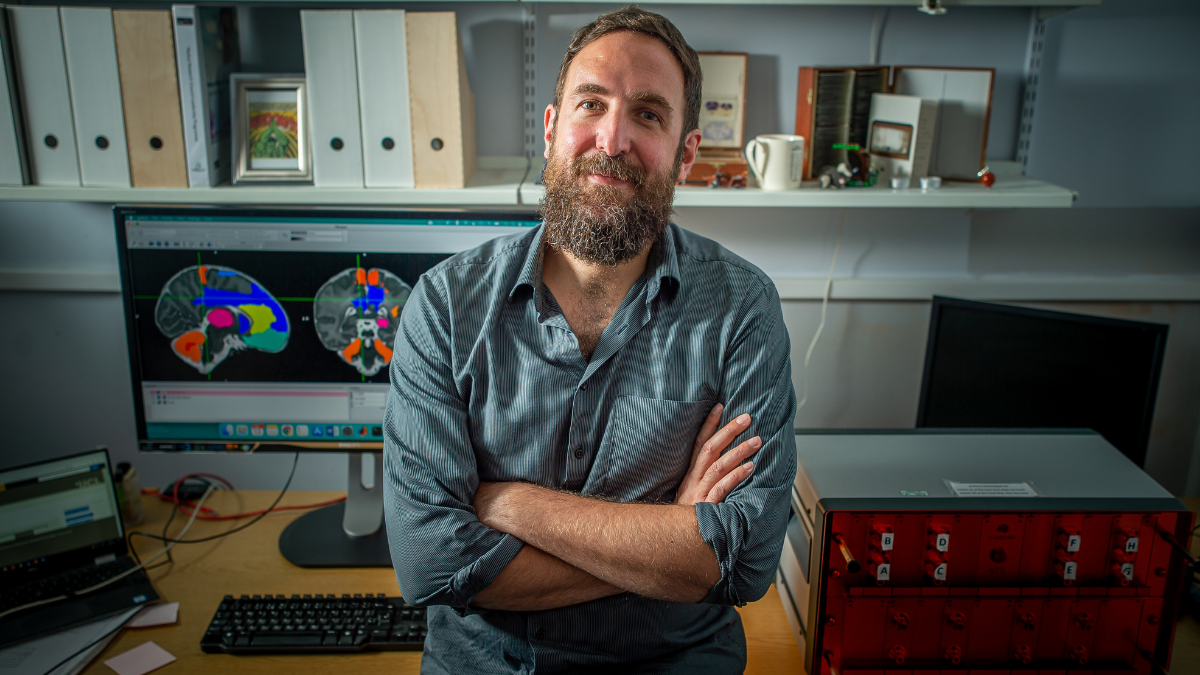
Professor Lorenzo Fabrizi, one of our Changing Policy and Practice awardees. He is is uncovering how babies experience pain and will use his award to share these discoveries with the world.
Professor Lorenzo Fabrizi, one of our Changing Policy and Practice awardees. He is is uncovering how babies experience pain and will use his award to share these discoveries with the world.
This year, we made eleven of these unique awards, representing an investment of more than £300,000. Notably, four of these projects were awarded to eating disorders researchers, because of the importance and urgency of research in this area.
Our Emerging Leaders Prize celebrates exceptional researchers who are already making a difference in their fields. It helps scientists in the UK to advance their research and careers, keeping them in science for the benefit of all of us. This is why we run the Emerging Leaders Prize.
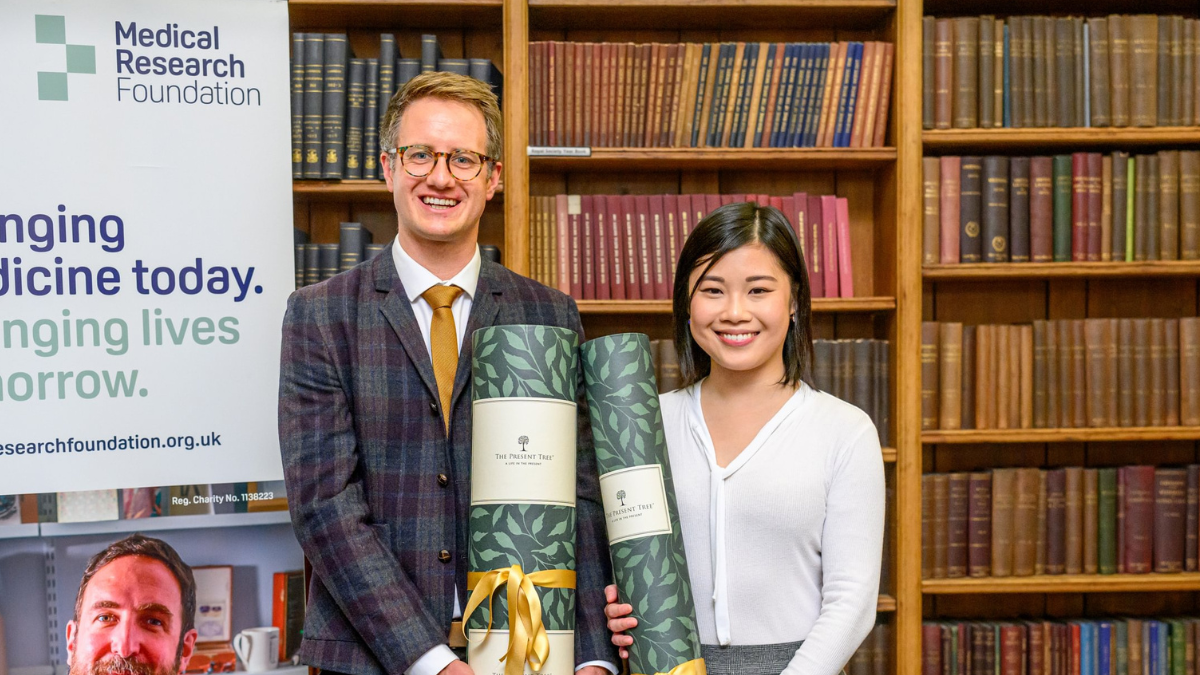
Dr Daniel Padfield (left) and Dr Eunice Lo (right), our 2024 Emerging Leaders Prize winners.
Dr Daniel Padfield (left) and Dr Eunice Lo (right), our 2024 Emerging Leaders Prize winners.
The 2024 prize celebrated two outstanding researchers who are both making a crucial impact in climate and health research, investigating the human health impacts of extreme weather events and examining how microbial communities are affected by weather changes. Their studies could lead to much-needed new approaches to mitigating the health impacts of climate change.




Why we fund research in this area:
While adult eye health has seen significant progress, paediatric eye conditions remain underfunded and poorly understood. This is why we fund in this area.
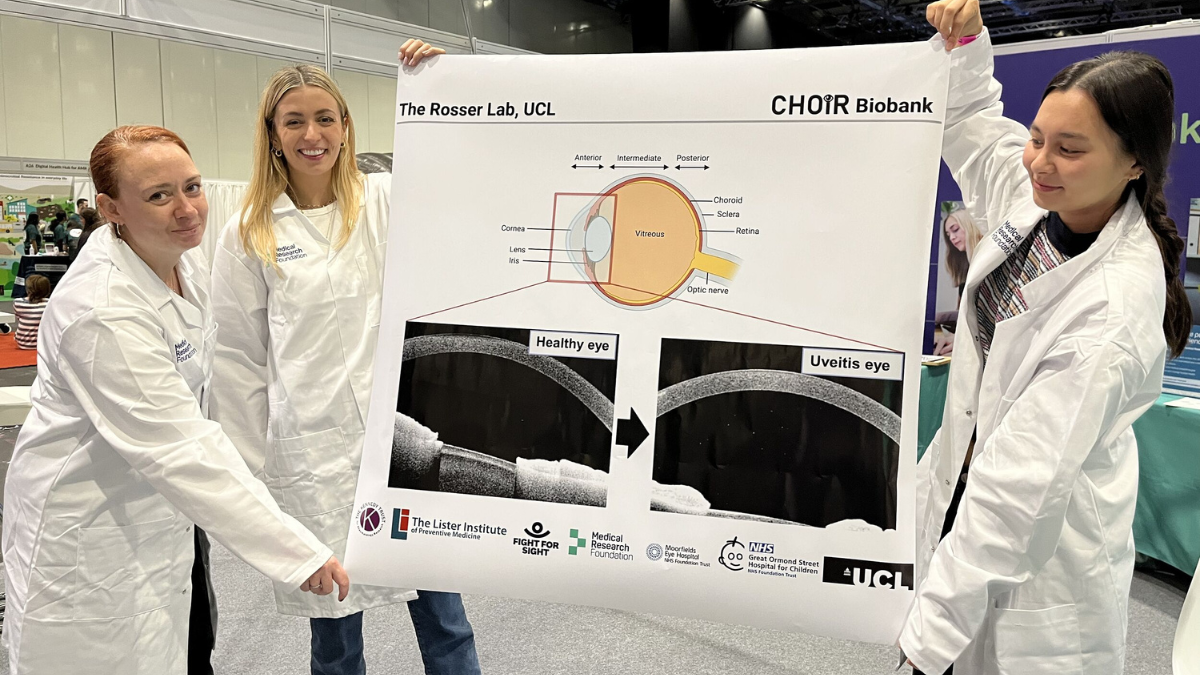
For reasons we still don’t fully understand, children with Juvenile idiopathic arthritis (JIA) can also develop uveitis, an inflammatory condition of the eye that is potentially sight-threatening.
The study:
The Medical Research Foundation, Moorfields Eye Charity, and other partners helped to co-fund a study carried out by a team of researchers from UCL, GOSH, and Moorfields Eye Hospital which has uncovered vital new insights into JIA-uveitis, challenging how the disease has previously been understood.
What do we already know about JIA-uveitis?
The immune system is made up of a range of important cells which, together, protect the body against infections and toxins. Two of these are B cells and T cells, which each play distinct roles in the immune system.
JIA-uveitis occurs when cells like these malfunction and attack our own tissues in the eye, mistaking them for foreign invaders. This is what makes JIA-uveitis an autoimmune condition.
Until now, T cells have been considered the main immune cells responsible for the condition.
What did the researchers do in this study?
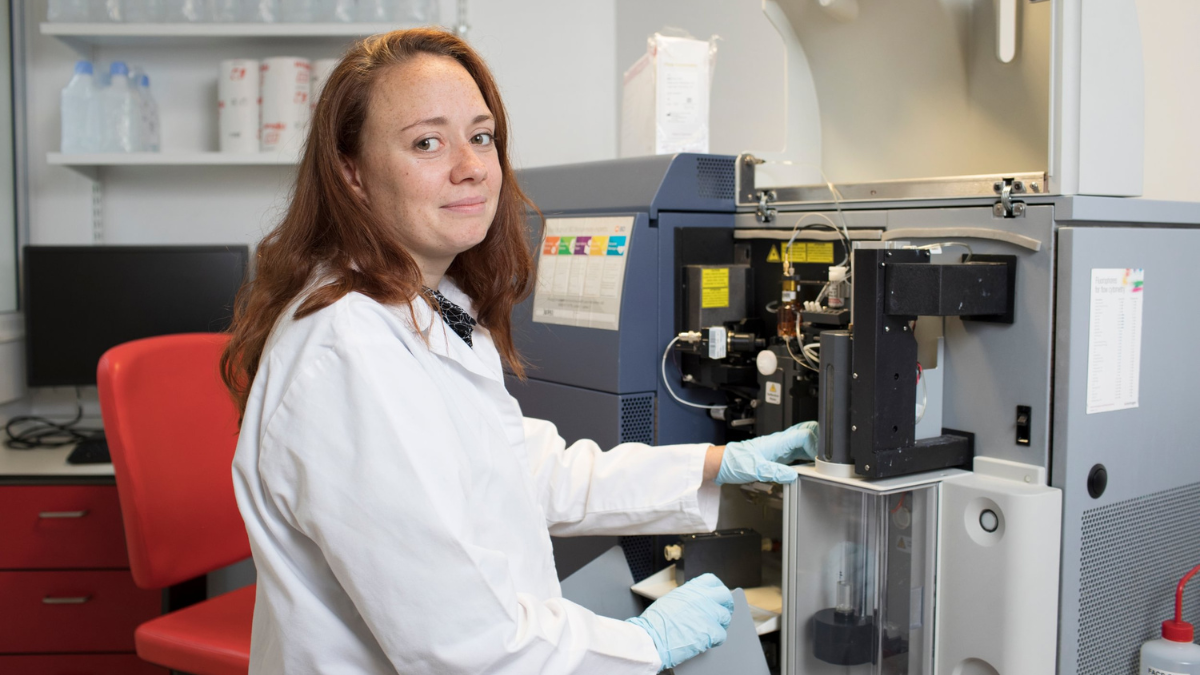
Here, the team combined blood data with eye tissue samples to explore disease mechanisms more directly. These kinds of eye samples from children are usually difficult to obtain.
The researchers first compared blood samples from children with arthritis alone (JIA) and children with both arthritis and eye inflammation (JIA-uveitis).
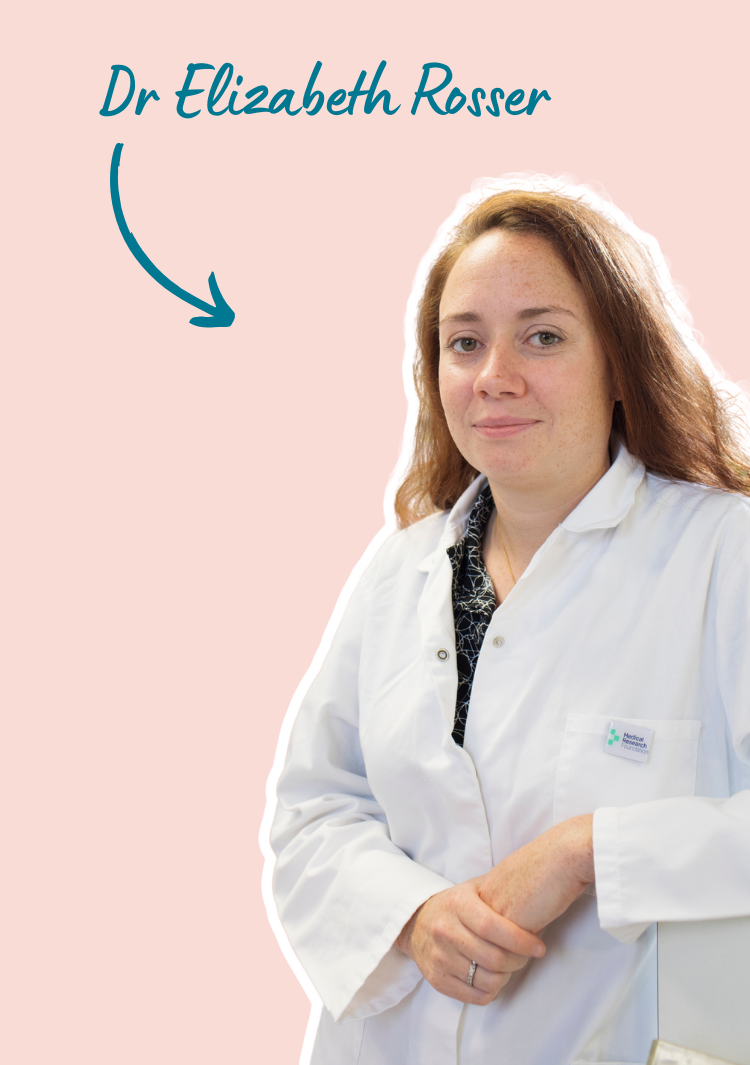
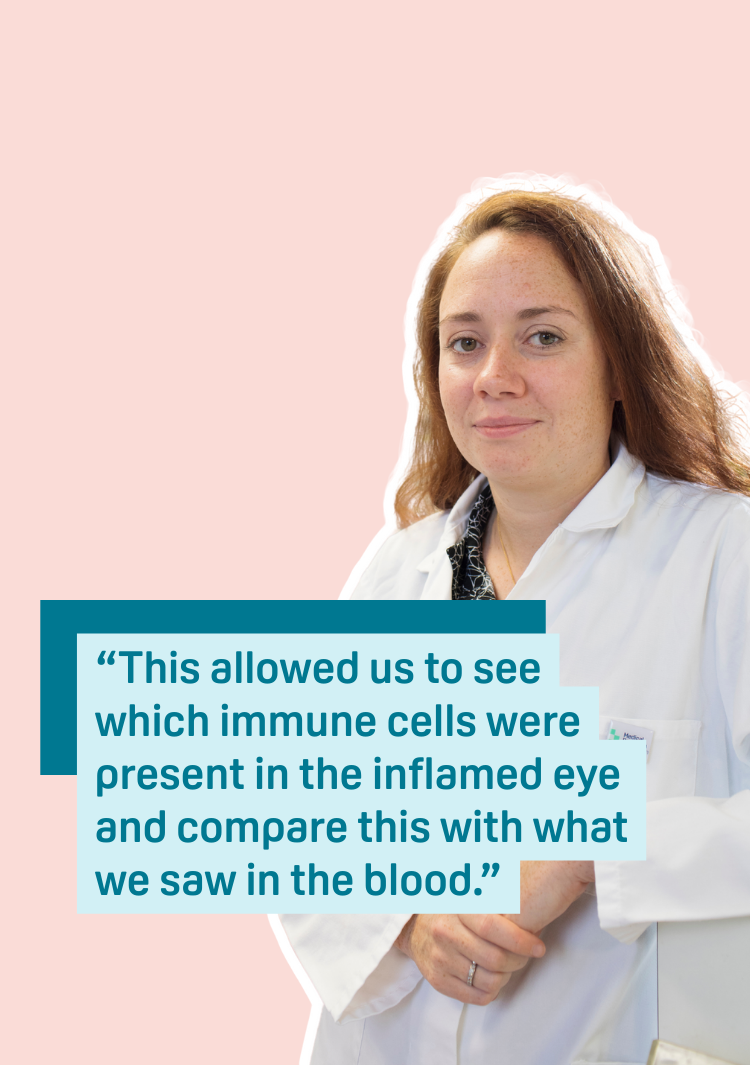
“This allowed us to see which immune cells were present in the inflamed eye and compare this with what we saw in the blood,” said Dr Elizabeth Rosser, senior author of the study.
What was the outcome?
The team found that B cells were consistently present in increased numbers in the blood and inflamed eyes of JIA-uveitis patients.
This outcome challenges the idea that uveitis is driven by T cells alone and shows that B cells may also be a contributing factor - offering a new potential treatment strategy.
We hope these findings open the door to new and improved treatments that help protect children’s sight.
Why we fund research in this area:
While adult eye health has seen significant progress, paediatric eye conditions remain underfunded and poorly understood. This is why we fund in this area.
For reasons we still don’t fully understand, children with Juvenile idiopathic arthritis (JIA) can also develop uveitis, an inflammatory condition of the eye that is potentially sight-threatening.
The study:
The Medical Research Foundation, Moorfields Eye Charity, and other partners helped to co-fund a study carried out by a team of researchers from UCL, GOSH, and Moorfields Eye Hospital which has uncovered vital new insights into JIA-uveitis, challenging how the disease has previously been understood.
What do we already know about JIA-uveitis?
The immune system is made up of a range of important cells which, together, protect the body against infections and toxins. Two of these are B cells and T cells, which each play distinct roles in the immune system.
JIA-uveitis occurs when cells like these malfunction and attack our own tissues in the eye, mistaking them for foreign invaders. This is what makes JIA-uveitis an autoimmune condition.
Until now, T cells have been considered the main immune cells responsible for the condition.
What did the researchers do in this study?
Here, the team combined blood data with eye tissue samples to explore disease mechanisms more directly. These kinds of eye samples from children are usually difficult to obtain.
The researchers first compared blood samples from children with arthritis alone (JIA) and children with both arthritis and eye inflammation (JIA-uveitis).
“This allowed us to see which immune cells were present in the inflamed eye and compare this with what we saw in the blood,” said Dr Elizabeth Rosser, senior author of the study.
What was the outcome?
The team found that B cells were consistently present in increased numbers in the blood and inflamed eyes of JIA-uveitis patients.
This outcome challenges the idea that uveitis is driven by T cells alone and shows that B cells may also be a contributing factor - offering a new potential treatment strategy.
We hope these findings open the door to new and improved treatments that help protect children’s sight.
Why we fund research in this area:
There is a growing understanding that people with attention-deficit/hyperactivity disorder (ADHD) disproportionately face a number of health challenges over the course of their lives. ADHD begins in childhood, and although it is now understood to persist into adulthood, the condition remains under-treated in adults in the UK compared to other high-income countries.
The study:
Led by Dr Amber John, whose research is funded by the Foundation and supported by Advent, researchers from UCL and the University of Liverpool have shown that children with ADHD traits at age 10 are more likely than their peers to experience physical health problems later in life. The study is one of the largest to look at childhood ADHD traits and later health outcomes.

What did the researchers do?
For this study, researchers analysed data from 10,930 participants of the UCL-led 1970 British Cohort Study - a large study that has followed people from birth into middle age.
ADHD is widely underdiagnosed, so research that focuses on formal diagnoses alone could skew results. Therefore, in this study, the researchers identified ADHD 'traits' using child behaviour questionnaires - completed by parents and teachers when participants were 10 years old.
What was the outcome?
The team found that people with high scores on this index of ADHD traits at age 10 were more likely to have other health conditions by age 46.
In fact, they had 14% higher odds of reporting two or more physical health problems such as migraine, back problems, cancer, epilepsy or diabetes. Among those with high ADHD traits in childhood, 42% had two or more health problems in midlife, compared to 37% of those without high ADHD traits.
These findings suggest that poorer health outcomes may be partly explained by higher rates of mental health problems, increased BMI and higher smoking rates among people with ADHD. Evidence also shows that people with ADHD are more likely to experience stressful life events and social exclusion, and are less likely to receive timely access to medical care.

Through this study, the researchers added to existing evidence by highlighting the importance of a life-course perspective on ADHD and its associated health inequalities. The findings emphasise the need for both early detection and ongoing support for people with ADHD across the lifespan. They also underline the need for clinicians to be more aware of physical health problems in people with ADHD, as well as the potential barriers to attending routine screening programs like cervical cancer screening and diabetes checks.

Why we fund research in this area:
There is a growing understanding that people with attention-deficit/hyperactivity disorder (ADHD) disproportionately face a number of health challenges over the course of their lives. ADHD begins in childhood, and although it is now understood to persist into adulthood, the condition remains under-treated in adults in the UK compared to other high-income countries.
The study:
Led by Dr Amber John, whose research is funded by the Foundation and supported by Advent, researchers from UCL and the University of Liverpool have shown that children with ADHD traits at age 10 are more likely than their peers to experience physical health problems later in life. The study is one of the largest to look at childhood ADHD traits and later health outcomes.
What did the researchers do?
For this study, researchers analysed data from 10,930 participants of the UCL-led 1970 British Cohort Study - a large study that has followed people from birth into middle age.
ADHD is widely underdiagnosed, so research that focuses on formal diagnoses alone could skew results. Therefore, in this study, the researchers identified ADHD 'traits' using child behaviour questionnaires - completed by parents and teachers when participants were 10 years old.
What was the outcome?
The team found that people with high scores on this index of ADHD traits at age 10 were more likely to have other health conditions by age 46.
In fact, they had 14% higher odds of reporting two or more physical health problems such as migraine, back problems, cancer, epilepsy or diabetes. Among those with high ADHD traits in childhood, 42% had two or more health problems in midlife, compared to 37% of those without high ADHD traits.
These findings suggest that poorer health outcomes may be partly explained by higher rates of mental health problems, increased BMI and higher smoking rates among people with ADHD. Evidence also shows that people with ADHD are more likely to experience stressful life events and social exclusion, and are less likely to receive timely access to medical care.
Through this study, the researchers added to existing evidence by highlighting the importance of a life-course perspective on ADHD and its associated health inequalities. The findings emphasise the need for both early detection and ongoing support for people with ADHD across the lifespan. They also underline the need for clinicians to be more aware of physical health problems in people with ADHD, as well as the potential barriers to attending routine screening programs like cervical cancer screening and diabetes checks.

Why we fund research in this area:
For already vulnerable populations, such as pregnant women, frequent and intense heatwaves pose critical health risks. Studies show that infant death rates could rise by 22.4% for every 1°C increase in daily temperature.
Pre-term birth is among the most pressing concerns facing mothers and babies, particularly in low- and middle-income countries. Much more needs to be done to protect maternal and infant health in an accelerating era of climate change.
The study:
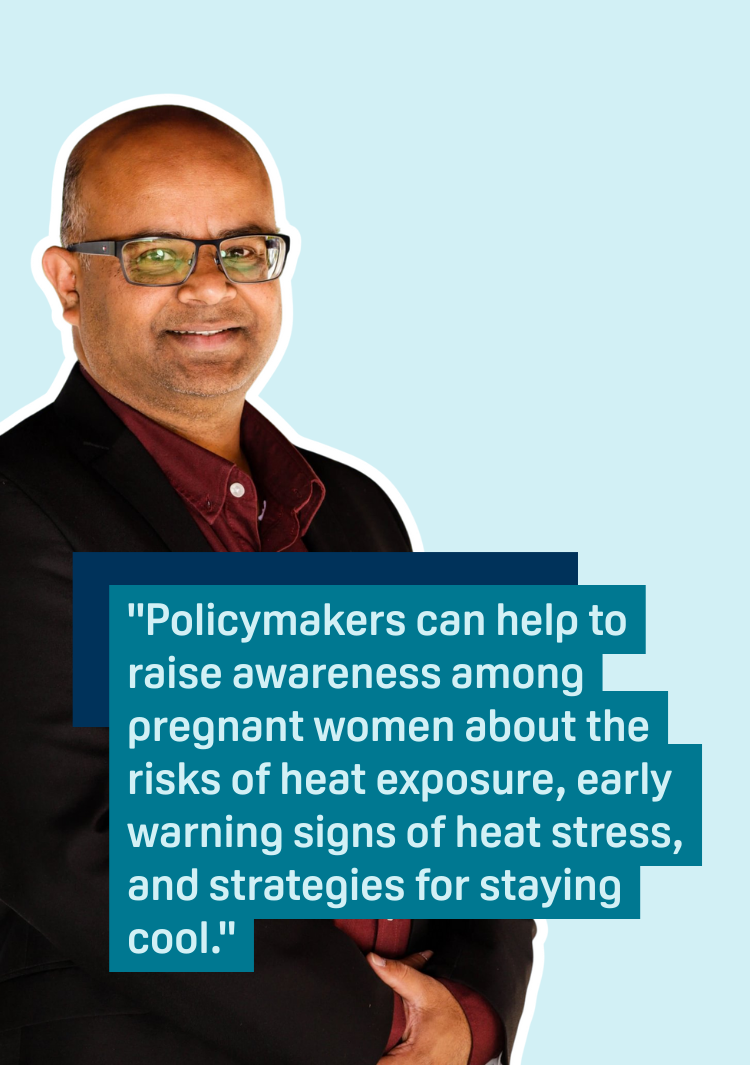
The study, carried out by Foundation-funded Dr Khondoker Akram and Professor Dilly Anumba from the University of Sheffield, addresses a key evidence gap, particularly in human health, on how heat exposure reshapes the placenta.
Dr Akram explains:
“Extreme heat is particularly harmful to pregnant women ... the foetus typically has a core temperature around 0.5°C higher than the mother’s, due to its own metabolism. This extra heat must be released through the mother’s skin.
"However, when the surrounding environment is hot, the body’s ability to dissipate heat becomes impaired, leading to heat accumulation within the womb. This excess heat can cause placental dysfunction and foetal stress.”
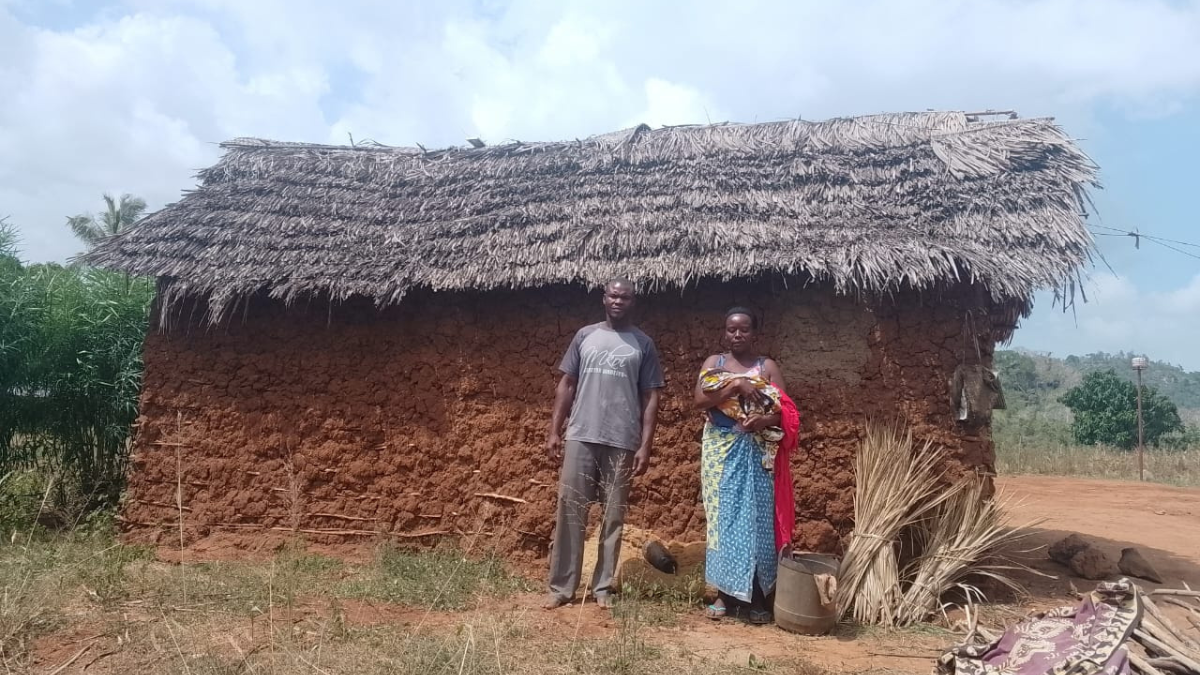
Janet and her family in Kenya. Janet, a mother of five, is one of the participants in another Foundation-funded study on maternal health and heat.
Janet and her family in Kenya. Janet, a mother of five, is one of the participants in another Foundation-funded study on maternal health and heat.
What did the researchers do?
Dr Akram and his team at Sheffield University analysed biological data collected from a small number of placental samples from pregnant women in the UK.
What was the outcome?
Scientists already know that heat exposure can affect the way that genes work in the placenta, but in this study, Dr Akram investigated exactly how these changes occur.
His team found that a set of genes involved in triggering early labour were more active in placentas from pre-term births occurring during warmer months.
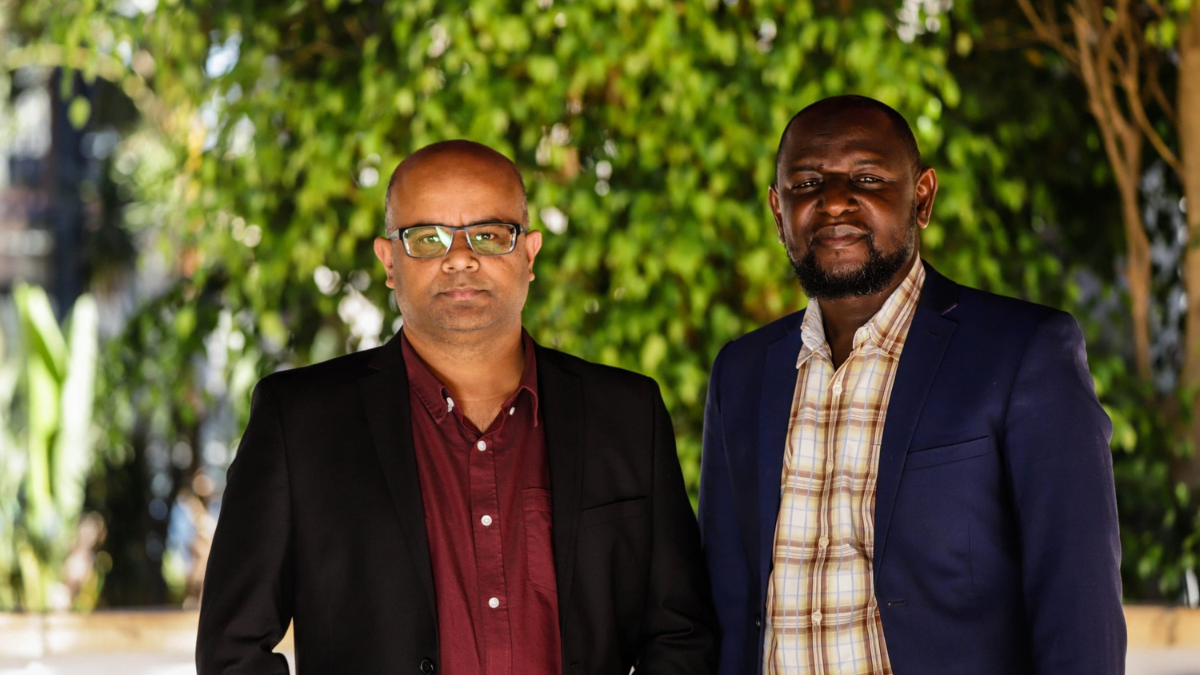
Dr Khondoker Akram and Dr Isah Aliyu
Dr Khondoker Akram and Dr Isah Aliyu
The team are now conducting a larger study in collaboration with a Nigerian research group, led by Dr Isah Aliyu at Bayero University, that involves placental samples from women in both the UK and Nigeria.
With this new direction, they aim to explore how extreme heat affects human placenta at the genetic, epigenetic, and protein levels.
Why we fund research in this area:
For already vulnerable populations, such as pregnant women, frequent and intense heatwaves pose critical health risks. Studies show that infant death rates could rise by 22.4% for every 1°C increase in daily temperature.
Pre-term birth is among the most pressing concerns facing mothers and babies, particularly in low- and middle-income countries. Much more needs to be done to protect maternal and infant health in an accelerating era of climate change.
The study:
The study, carried out by Foundation-funded Dr Khondoker Akram and Professor Dilly Anumba from the University of Sheffield, addresses a key evidence gap, particularly in human health, on how heat exposure reshapes the placenta.
Dr Akram explains:
“Extreme heat is particularly harmful to pregnant women ... the foetus typically has a core temperature around 0.5°C higher than the mother’s, due to its own metabolism. This extra heat must be released through the mother’s skin.
"However, when the surrounding environment is hot, the body’s ability to dissipate heat becomes impaired, leading to heat accumulation within the womb. This excess heat can cause placental dysfunction and foetal stress.”
Janet and her family in Kenya. Janet, a mother of five, is one of the participants in another Foundation-funded study on maternal health and heat.
Janet and her family in Kenya. Janet, a mother of five, is one of the participants in another Foundation-funded study on maternal health and heat.
What did the researchers do?
Dr Akram and his team at Sheffield University analysed biological data collected from a small number of placental samples from pregnant women in the UK.
What was the outcome?
Scientists already know that heat exposure can affect the way that genes work in the placenta, but in this study, Dr Akram investigated exactly how these changes occur.
His team found that a set of genes involved in triggering early labour were more active in placentas from pre-term births occurring during warmer months.
Dr Khondoker Akram and Dr Isah Aliyu
Dr Khondoker Akram and Dr Isah Aliyu
The team are now conducting a larger study in collaboration with a Nigerian research group, led by Dr Isah Aliyu at Bayero University, that involves placental samples from women in both the UK and Nigeria.
With this new direction, they aim to explore how extreme heat affects human placenta at the genetic, epigenetic, and protein levels.


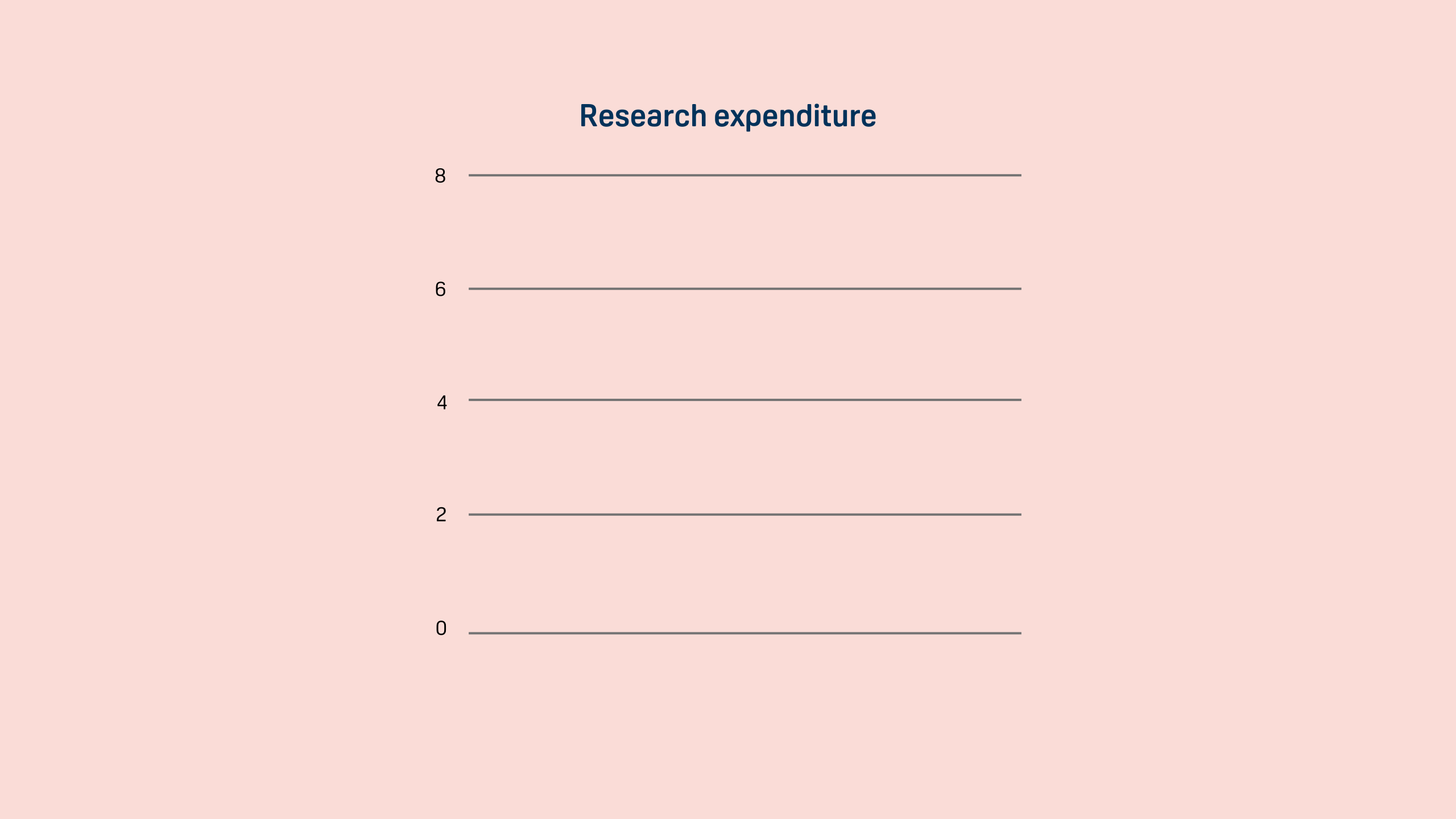

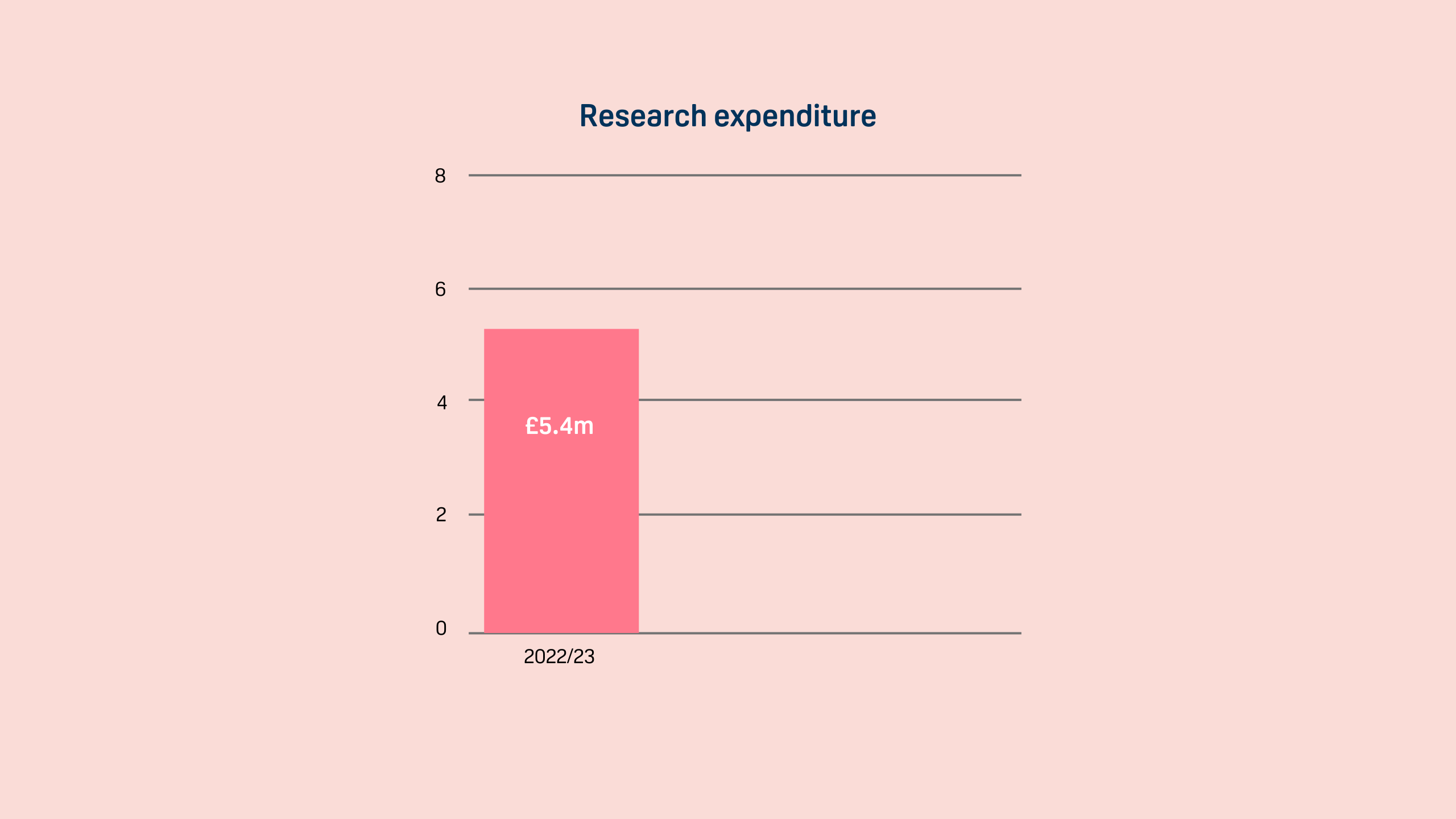

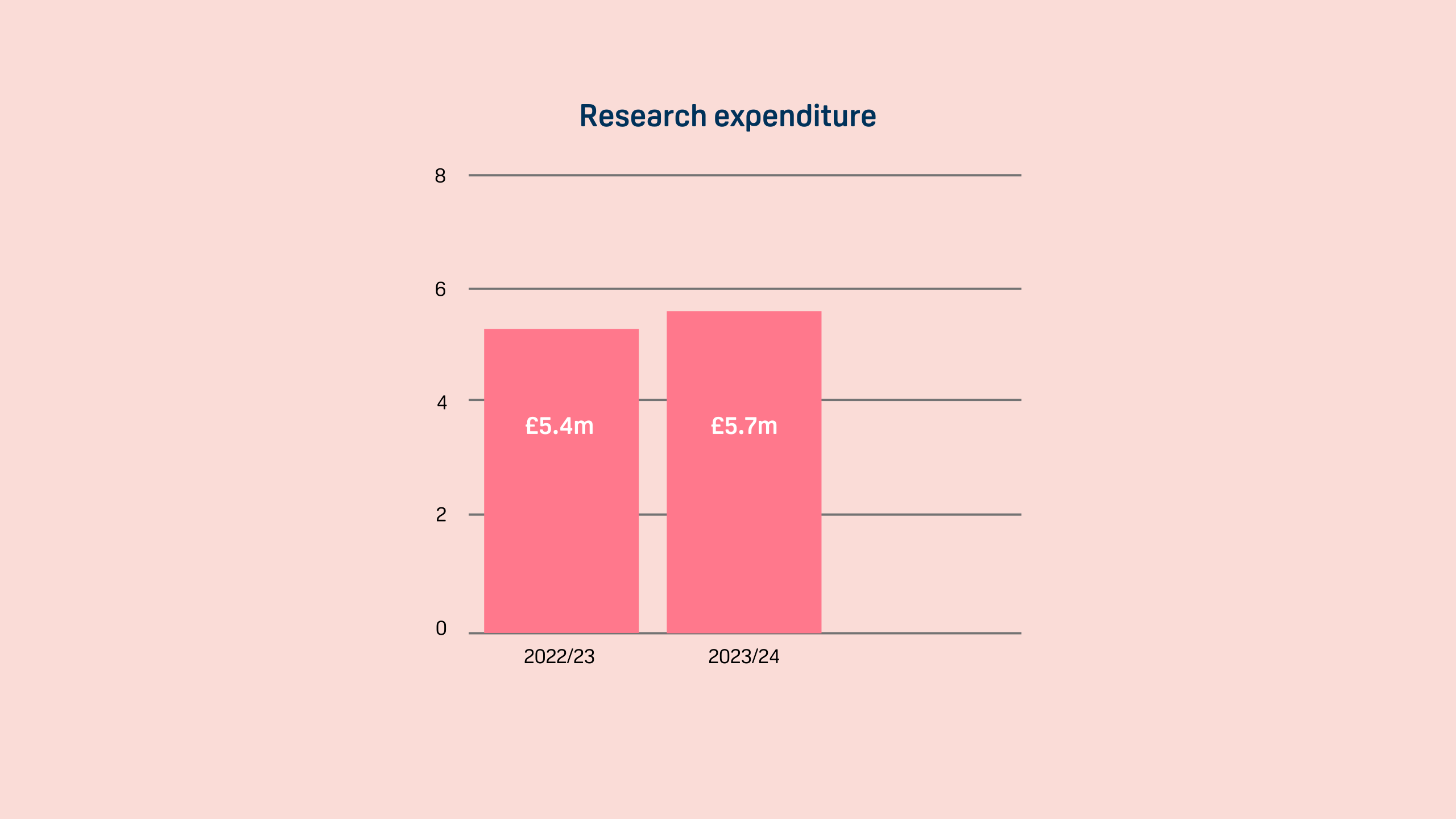

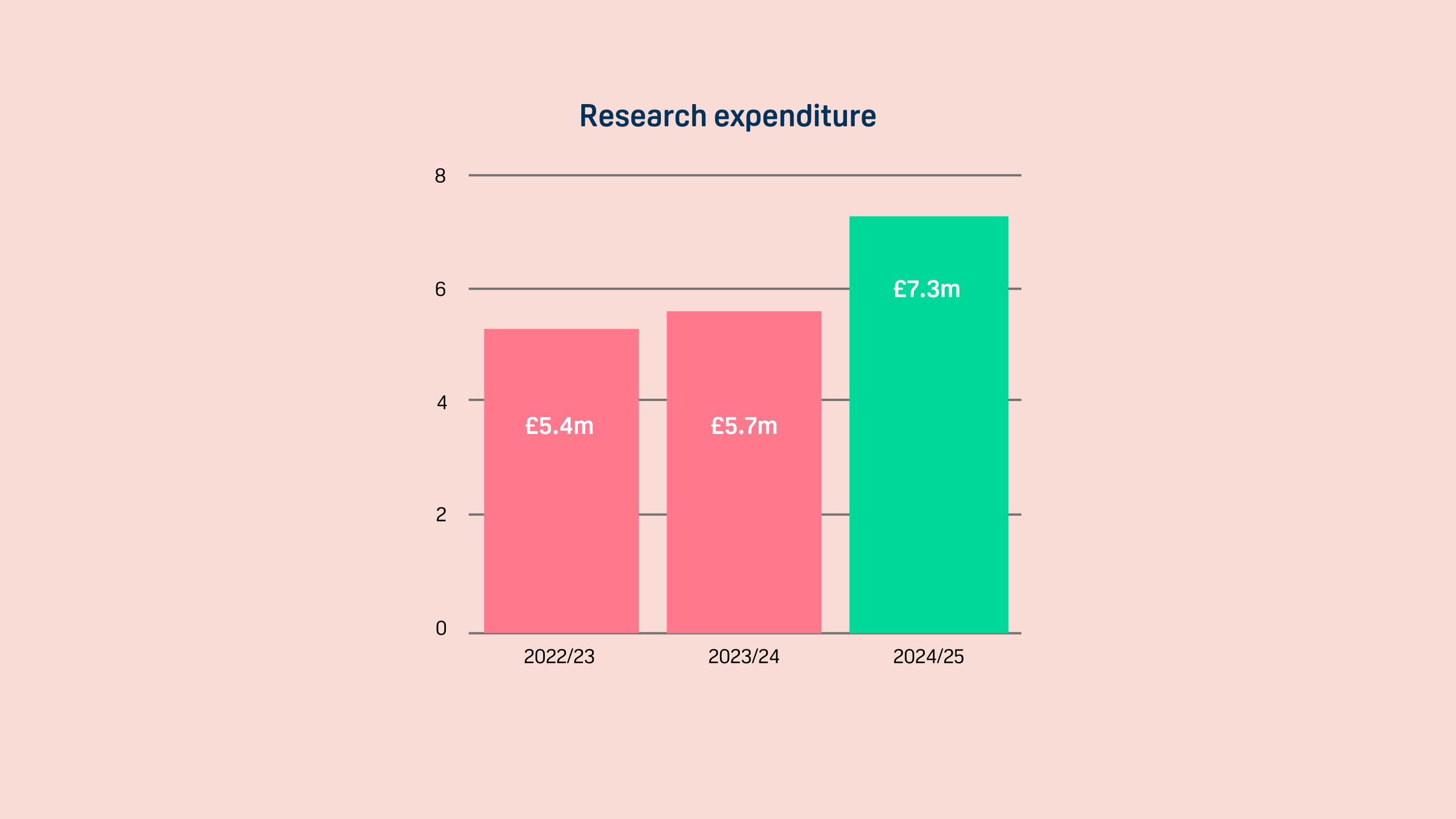



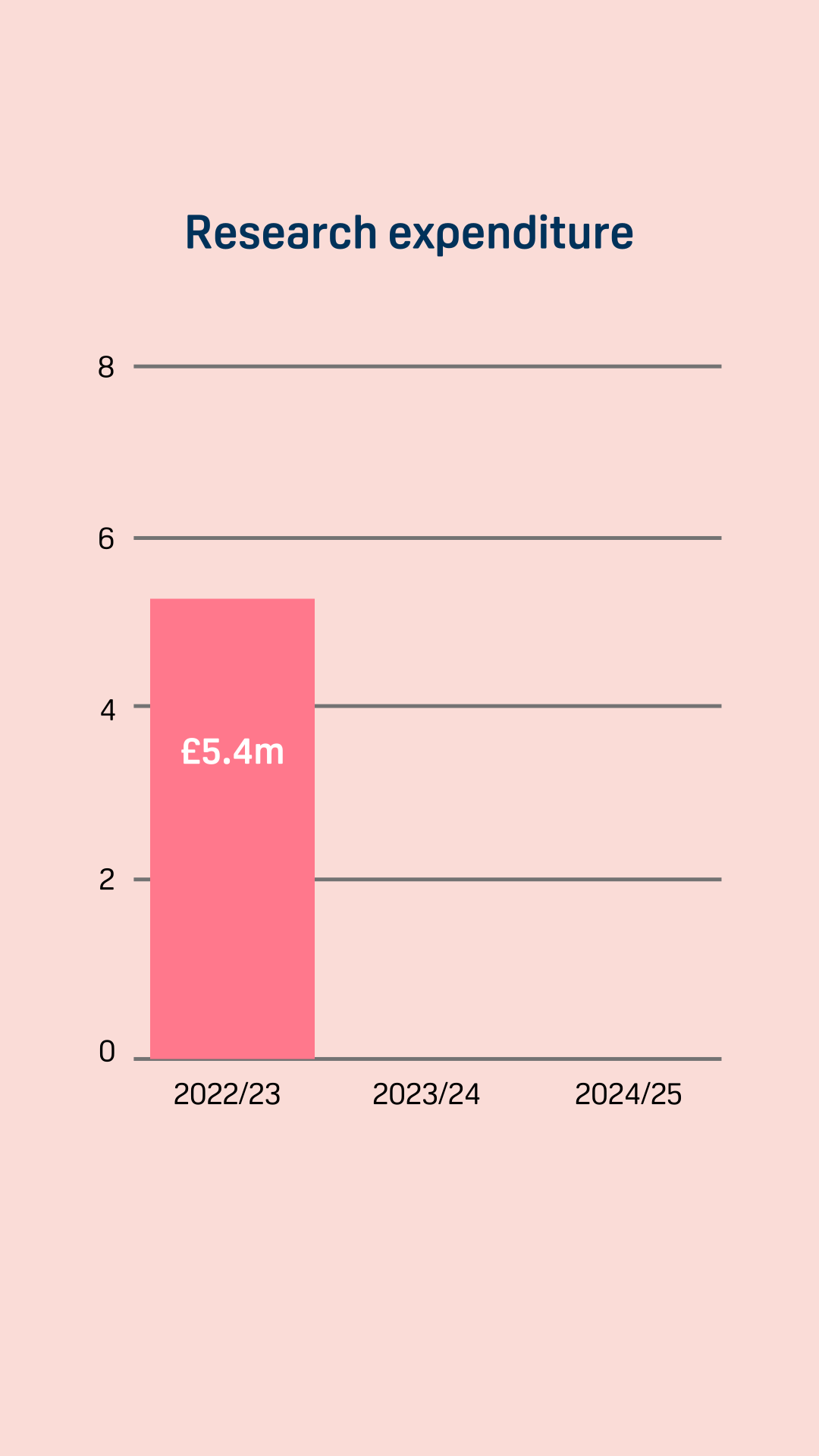

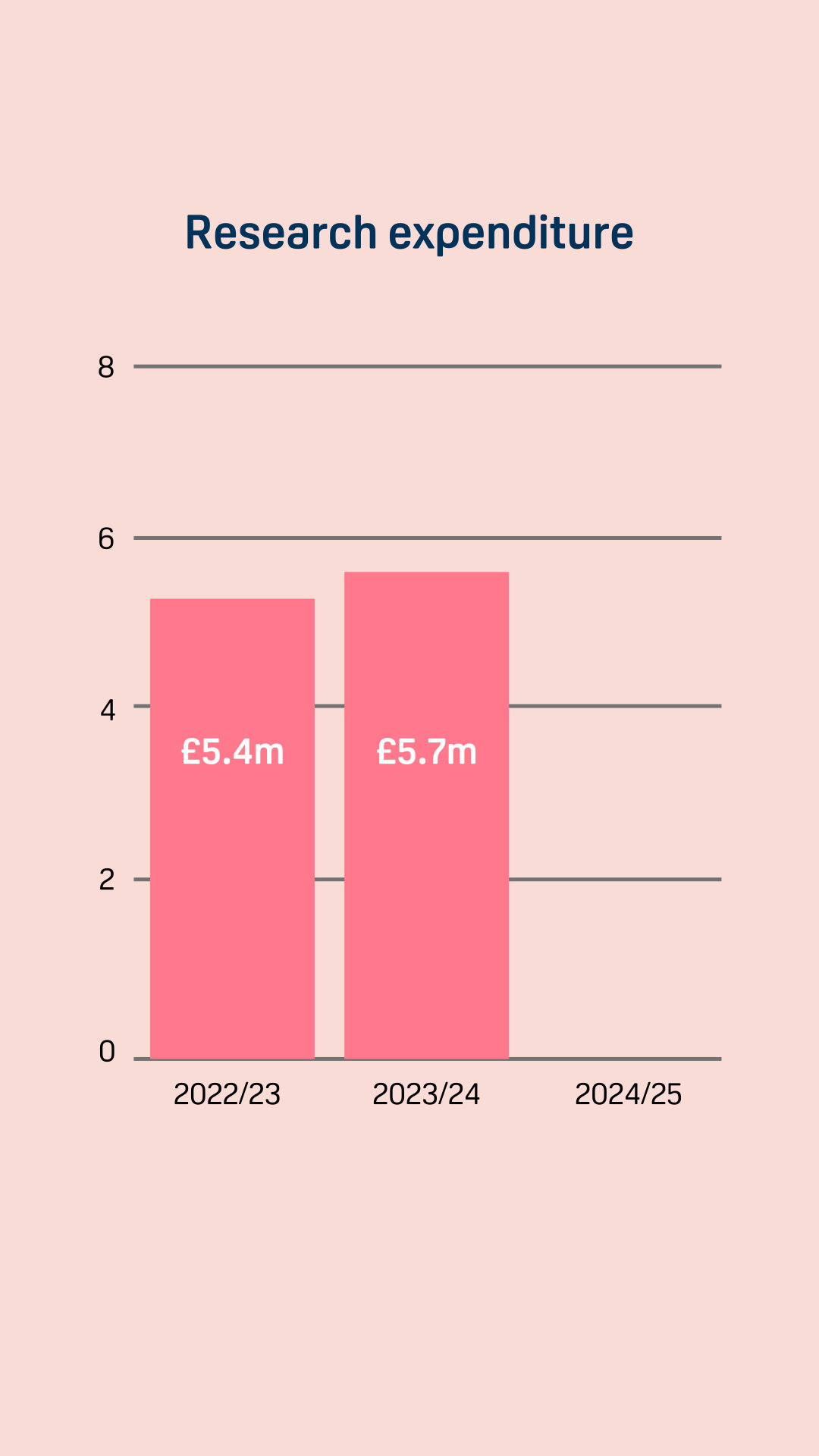

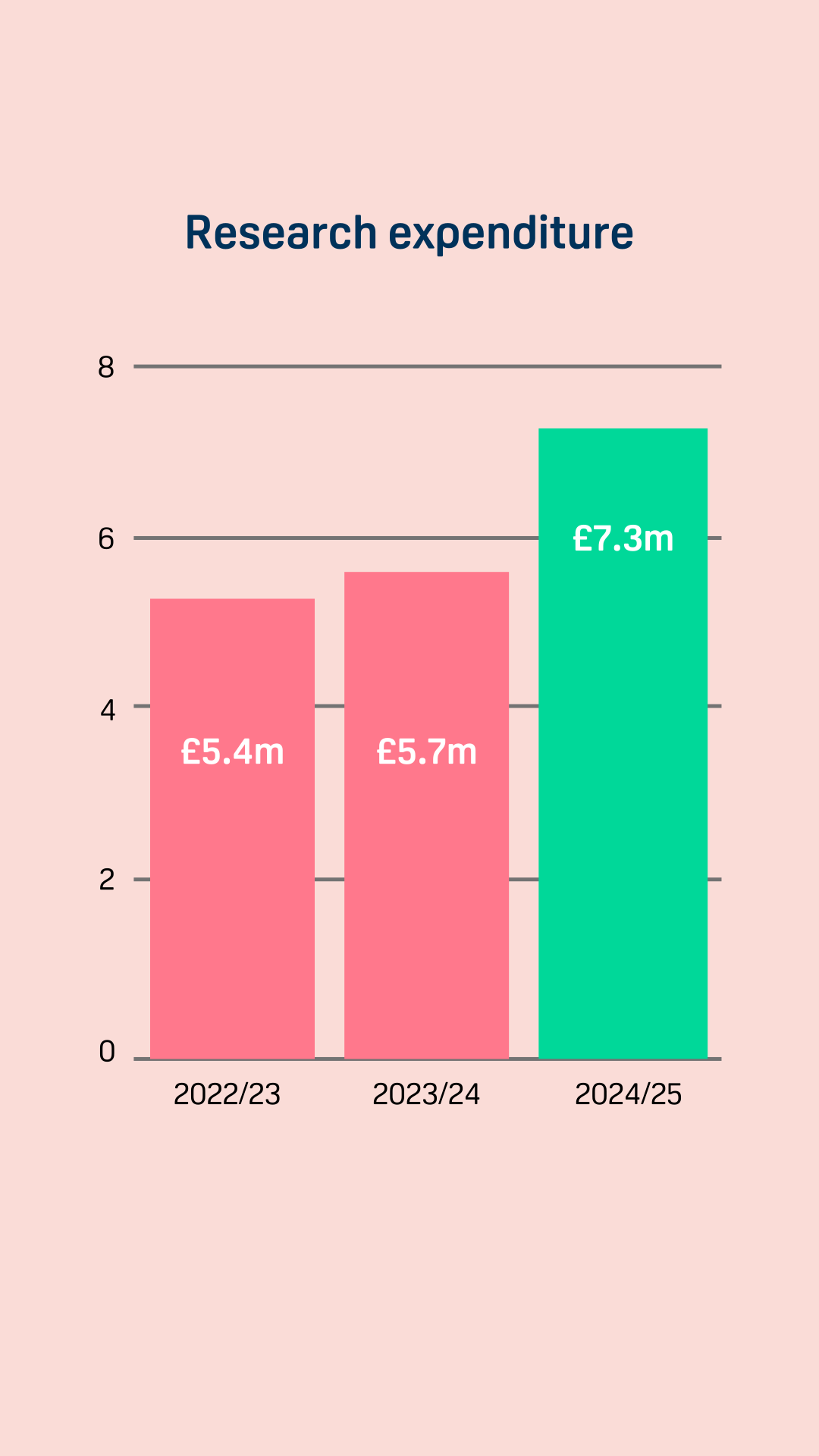
The expenditure figures reported above show grants awarded by the Medical Research Foundation over time. The Statement of Financial Activities from which these figures are extracted is shown in the full annual report, starting on p. 52.

Continued investment like this is only possible thanks to the incredible generosity of our donors.
Thanks to support in this way, we can continue to lay the foundations for ground-breaking new discoveries and life-changing advances.


As detailed above, we sincerely thank Moorfields Eye Charity for joining us in our investment in children’s eye health, supporting outstanding researchers like Dr Elizabeth Rosser and so many others.
We were pleased to continue our partnership with Advent, too. Over the past two years Advent and its staff have donated an incredible £300,000 and supported projects such as Dr Amber John's.
We are delighted to have been awarded a significant grant by the Bird Song Trust and would also like to thank Rosetrees for their notable support.
We give our thanks to our funding partners, including The Grace Trust, the Lillie Johnson Charitable Trust, MedChemExpress, the Michael Cornish Charitable Trust, and the Worshipful Company of Builders’ Merchants.
Once again, this year we worked with New Scientist as a corporate partner for which we say thank you.
Thank you to every one of our supporters who gave generously during the year, either through one-off or regular donations, or by taking part in fundraising events.
As always, we are immensely grateful to our friends and colleagues at the Medical Research Council for giving us guidance, advice, and other pro bono support.

This year marked an exciting milestone: the beginning of our new five-year strategy – Giving hope through life-changing research. The strategy set a strong grounding for our work this year, but it is not our ceiling – it is our foundation. Where possible, we will go further, because when it comes to medical research, there is still so much more to do.
For every researcher we support, there are many more we can’t – not because they lack merit, but because we lack the funds to support them all. That means promising ideas, passionate researchers, and potential breakthroughs aren’t getting funded. You can change that.

Whether you make a one-off donation, set up a monthly gift, or leave a legacy in your Will, your support will help us continue to back the brightest minds tackling the biggest health challenges.







Find out more about our work by downloading the full annual report publication on our website


 Built with Shorthand